
This Too is Hebel: The Thesis Series
This series adapts my Master of Theological Studies thesis, “’This Too is Hebel’: Divine Absence, Oppression, and the Problem of Suffering in Qoheleth,” into a public-facing sequence of essays. It explores Ecclesiastes not as resignation, but as theological protest. That is, a book that names suffering, oppression, and divine hiddenness without rushing toward an easy resolutions.
Central Argument
This project explores the themes of divine absence, oppression, and the problem of suffering in the book of Ecclesiastes. The study refers to Ecclesiastes as the literary work and Qoheleth as its author. The core argument of this series is that Ecclesiastes does not merely tell readers to accept life’s absurdity. It exposes a world where oppression persists, justice fails, and God remains troublingly distant. Qoheleth’s deployment of the term hebel (pronounced hevel; often translated as vanity, futility, meaninglessness, enigma, absurdity, etc.) becomes a way of naming that theological crisis without resolving it too quickly. It explores Qoheleth’s observations of life “under the sun,” where divine hiddenness and, thus, hebel being definitional of the world.
Posts
Essays in this series are listed in publication order, beginning with the first public adaptation of my thesis. The adaptation itself begins with “This Too is Hebel: An Introduction to Qoheleth’s Theology of Absence,” but the earlier posts will be helpful.
-
This Too is Hebel: What does Ecclesiastes Mean?
Now that’s a fun title. Fun because I know, and you know, I cannot provide you with a single, definitive answer to the question: What does Ecclesiastes mean? But I wanted to take a moment to introduce the book itself, as many may not be familiar with it. Whether you realize it or not, you’ve…
-
This Too is Hebel: Who is God in the Hebrew Bible?
Another fun title with a totally unanswerable question. I could perhaps say the main character of the Bible. But instead, I think I’ll speak of God as the most complex literary character in human history. Defining “God,” especially God in the Hebrew Bible, is not a simple Sunday school exercise. But to those of us…
-
This Too is Hebel: Degrees, Jobs, and Everything Else
Once again, I have taken an unexpected leave of absence from writing here. Hopefully it should be the last for a while. I did not expect finals to be as demanding as they were… a strange sentiment, but it was indeed true. Nonetheless, as Jesus once said, τετέλεσται (tetelestai; that is, “it is finished”). All…
-

This Too is Hebel: An Introduction to Qoheleth’s Theology of Absence
Synopsis The book of Ecclesiastes stands as one of the most confusing and controversial books in the Hebrew Bible. The author, Qoheleth, interrogates concepts of meaning, justice, and value “under the sun,” frequently leading him to the declaration that it, too, is hebel. Within the book, God, addressed solely as Elohim, remains frustratingly distant. Qoheleth,…
-

This Too is Hebel: When Lament Becomes Protest
Early on in the final semester, one of my writing group colleagues asked me, “How does protest differ from lament?” Yikes. That was a question I was completely unprepared to answer. Thankfully, I still had several weeks before the final submission. For a while, I probably would have considered Ecclesiastes as a work of lament.…
-
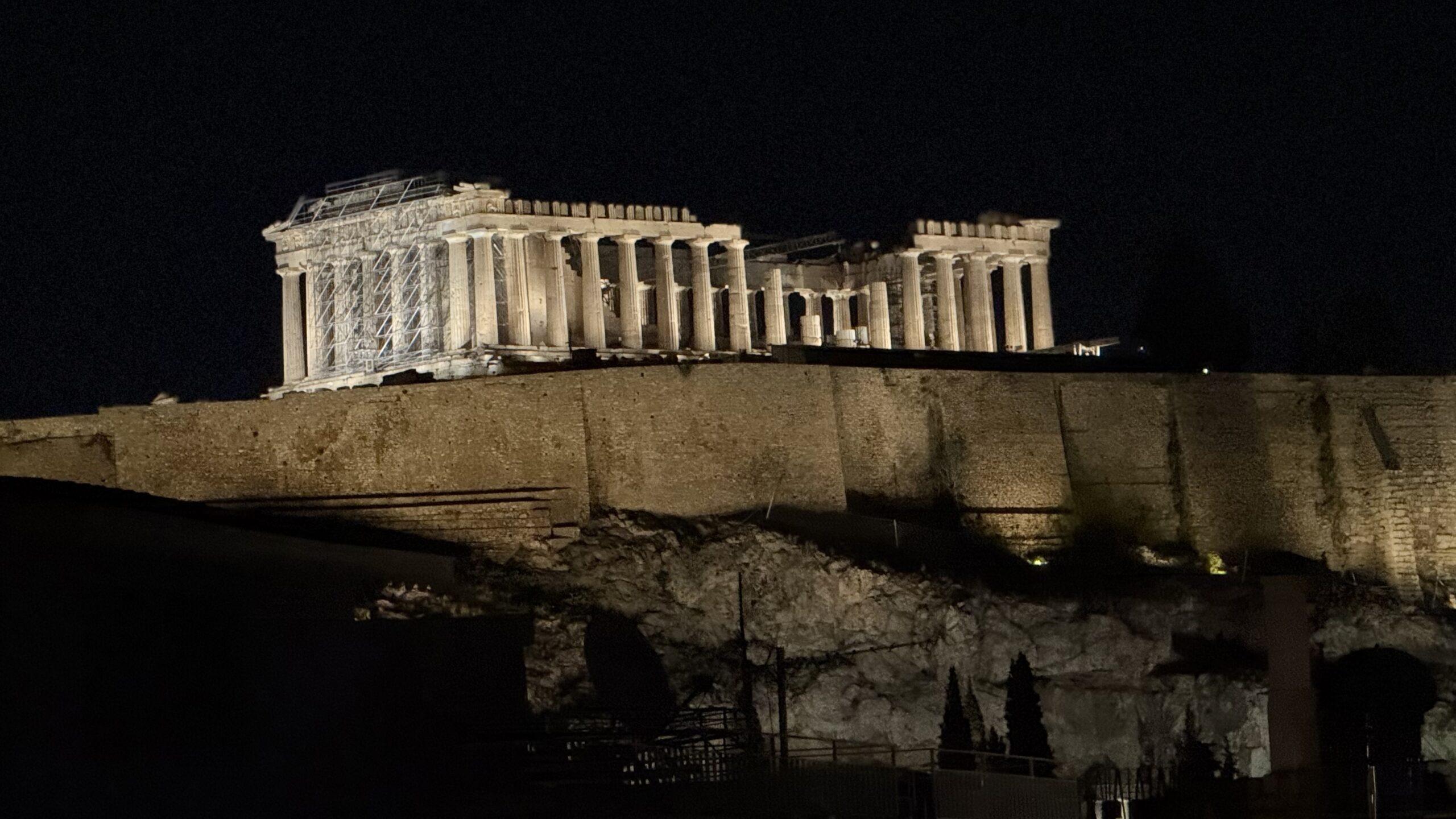
This Too is Hebel: Wickedness in the Place of Justice
This too shall pass. This too is hebel. One of the fundamental facts of life itself is that life is unfair. Conventional wisdom posits that if you work hard, you will get a promotion. But what about when that does not happen? Perhaps anger. Perhaps resentment. Or perhaps, you murmur a silent protest to yourself,…
-
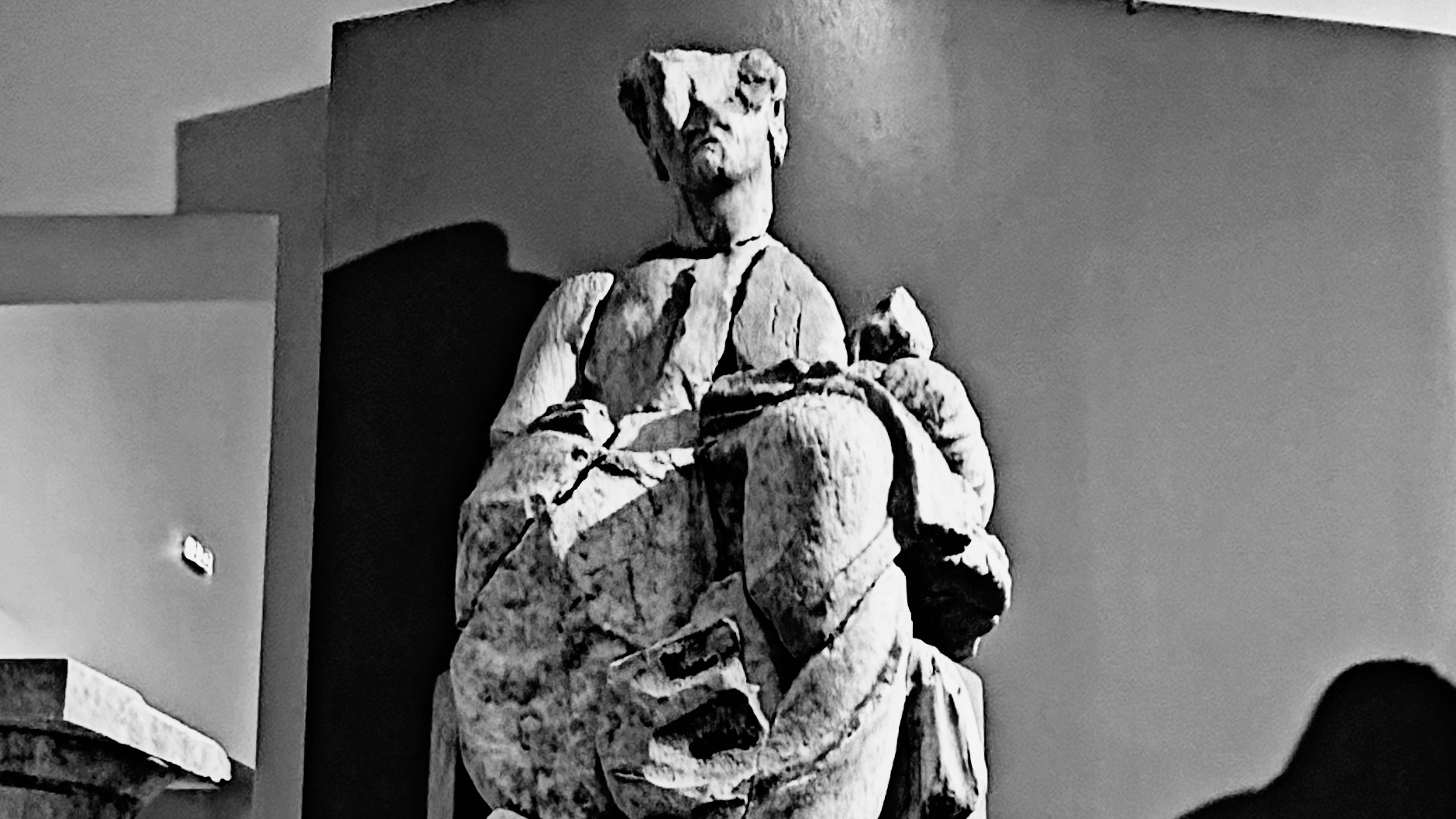
This Too is Hebel: And There Was Not for Them a Comforter
Better off dead. That is the message of Ecclesiastes 4:1–3. Don’t believe me? “And I turned and I saw all the oppressions (העשקים, ha-ashuqim) that are done under the sun. And behold! The tears of the oppressed (העשקים, ha-ashuqim), and there is not for them a comforter; and from the hand of their oppressors there…
-
This Too is Hebel: Toil, Envy, Self-Cannibalism, and Companionship
You are what you eat. That is a phrase we have all heard. One you might not be familiar with, however, is, “the fool is so consumed by laziness that he consumes his own flesh.” That is a very, very loose translation of Ecclesiastes 4:5. Here’s my actual translation of this week’s passage: 4And I…
-
This Too is Hebel: Isolation, Futility, and Absurdity
The solitary toiler in Ecclesiastes 4:7–8, discussed in my previous post, especially stands out to me as an example of theodicy in Ecclesiastes (or, theology of suffering; again, I use “theodicy” only because it is convenient). Yesh echad ve’eyn sheni. “There is one and there is no second.” 7Again I saw hebel under the sun:…
-

This Too is Hebel: God is in Heaven and You Upon Earth
God is omnipresent. God is in heaven, on earth—everywhere. That is a very popular belief, especially in the more evangelical circles I once inhabited. God is always there, and is always watching over you. Fear not! But actually, yes, you better be fearful. Quite fearful. At least for one biblical author, you really need to…
-
This Too is Hebel: Humans in the Hands of a Hidden God
God is in heaven. You are on earth. And what does life on earth look like? Wickedness exists in the places of justice and righteousness; the oppressed have no comforter; some toil endlessly in total isolation; and even approaching the temple, we must walk on eggshells. Where is God? Is God a non-interventionist? To answer…
-

This Too is Hebel: Systemic Oppression and Earthly Hierarchies
Do not be amazed. I’ve used that specific phrase quite a few times throughout this project. Now, it is time to explore Qoheleth’s deployment of it. Human history is marred by constant corruption, injustice, and systemic oppression. And for that, for Qoheleth, we should not be amazed. Once again, Qoheleth addresses the issue of oppression.…
-
This Too is Hebel: A Portrait of Divine Hiddenness
“Qoheleth expresses this dissent through a fragmented faith that dares to voice the incoherence of suffering without seeking a premature or facile resolution.” Life is absurd. And life sucks. But why? Perhaps because humans are just awful. AI is even worse. But it still sucked before AI. It sucked in 2020, and it sucked before…
-

This Too is Hebel: What Dreams May Come
Are you a dreamer? Well, don’t get your hopes up because I am about to shatter them. When it comes to dreams in Ecclesiastes, it’s best you exercise a little caution if you answered yes to the previous question. Many dreams come with many things, such as an abundance of labor and, you guessed it,…
-
This Too is Hebel: A Protest of Lived Frustration
It’s all hebel. Qoheleth’s world is, indeed, quite bleak. There are some who suffer with no one to comfort them, and also some who toil all alone for seemingly no purpose. The fool who consumes his own flesh. And so on. It isn’t pretty. And Qoheleth’s declaration that it’s hebel? Well, again… it’s not pretty.…
-
This Too is Hebel: The Deliberate God
So, my thesis is that Qoheleth deploys the term hebel as a protest against faulty theologies and the reality of the deliberate God. The God who is hidden. Qoheleth is, then, just a darned rebel, right? Perhaps, if you are a fundamentalist. While there is much that differentiates Qoheleth from other authors of the Hebrew…
-

This Too is Hebel: The End of the Matter
Introduction: The Forensic Examination of Divine Silence Qoheleth’s engagement with divine absence and hebel does not culminate in a resolved theodicy. If you remember, I hate that word anyway. Rather, Qoheleth’s argument forms a distinct theological witness. Within this witness, the prevalence of injustice and the perception of a God best approached with caution do…